Classic French Toast
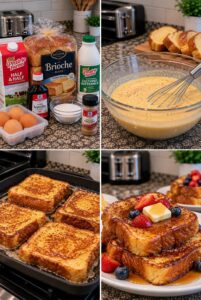
This Classic French Toast is golden and lightly crisp around the edges, with a soft, custardy center and the comforting flavor of cinnamon and vanilla. Thick slices of bread are dipped in a simple egg mixture, then cooked in butter until browned on both sides.
It’s an easy breakfast for a quiet weekend, a holiday brunch, or a busy morning when you want something warm and satisfying. Set out maple syrup, fresh fruit, powdered sugar, and whipped cream so everyone can finish their slices just the way they like.
Prep Time: 10 minutes
Cook Time: 15 minutes
Total Time: Approximately 25 minutes
Servings: 4
Why You’ll Love This Recipe
- Crisp, buttery edges surround a tender, custardy center.
- The cinnamon and vanilla make the kitchen smell warm and inviting.
- It uses familiar ingredients that are easy to keep on hand.
- The recipe can be prepared with white bread, brioche, challah, sourdough, or French bread.
- It’s an easy way to use day-old bread.
- You can adjust the sweetness and spices to your taste.
- The cooked slices can be kept warm while you finish the batch.
- It works for breakfast, brunch, or breakfast-for-dinner.
Ingredients
- 8 thick slices bread, preferably day-old
- 4 large eggs
- ⅔ cup milk
- 1 tablespoon granulated sugar
- 1 teaspoon vanilla extract
- ½ teaspoon ground cinnamon
- Pinch of salt
- 2 tablespoons butter, for cooking
- Maple syrup, for serving
Optional Toppings
- Powdered sugar
- Fresh strawberries, blueberries, or raspberries
- Sliced bananas
- Whipped cream
- Chopped pecans or walnuts
- Extra cinnamon
- Honey or fruit preserves
Ingredient Notes
Bread
Thick, sturdy bread works best because it can absorb the egg mixture without falling apart. Brioche and challah make especially tender, rich French toast. Thick-cut white bread is a simple everyday option, and French bread or sourdough also works well.
Day-old bread is ideal because it is slightly drier than fresh bread and absorbs the custard without becoming mushy. If your bread is very fresh, leave the slices uncovered for a few hours or toast them lightly before dipping.
Eggs and Milk
The eggs form the custard that coats the bread, while the milk keeps it soft and tender. Whole milk gives a creamy result, but 2% milk works too. Half-and-half can be used for a richer texture.
Cinnamon and Vanilla
Cinnamon brings warmth, and vanilla adds a gentle sweetness. For a more strongly spiced flavor, add a little extra cinnamon or a pinch of nutmeg.
How to Make French Toast
Step 1: Prepare the Bread
If using fresh, soft bread, arrange the slices on a baking sheet and leave them uncovered for a few hours. You can also place them in a 300°F oven for about 5 minutes per side to dry them slightly. Let them cool before dipping.
Slightly dry bread absorbs the egg mixture while keeping enough structure to flip easily.
Step 2: Whisk the Egg Mixture
In a shallow bowl or pie plate, whisk together the eggs, milk, sugar, vanilla, cinnamon, and salt. Whisk until the eggs are fully blended and the cinnamon is evenly distributed.
A shallow dish makes it easier to dip the bread and coat both sides without bending the slices.
Step 3: Heat the Skillet
Place a large skillet or griddle over medium heat. Add about ½ tablespoon of butter and let it melt, tilting the pan so the surface is lightly coated.
The pan should be warm enough to brown the bread steadily. If the butter starts to smoke or the first slice darkens too quickly, lower the heat.
Step 4: Dip the First Slice
Place one slice of bread into the egg mixture. Turn it over to coat the other side, then lift it and let the excess mixture drip back into the dish.
For regular sandwich bread, a quick dip is usually enough. Thick or drier bread can soak a little longer, but don’t leave it submerged until it feels heavy and fragile.
Step 5: Cook Until Golden
Place the dipped bread in the skillet. Cook for about 2–3 minutes, until the underside is golden brown. Avoid crowding the pan; leave a little space between slices so they cook evenly.
Add more butter as needed between batches.
Step 6: Flip and Cook the Other Side
Flip each slice with a thin spatula and cook for another 2–3 minutes. The second side should be golden and the center should feel warm and set.
If the bread is thick, reduce the heat to medium-low and cook a little longer so the middle warms through without overbrowning the outside.
Step 7: Keep the Slices Warm
Transfer cooked slices to a plate or a baking sheet. If you’re cooking in batches, keep them warm in a 200°F oven. Arrange them in a single layer so they stay warm without trapping too much steam.
Step 8: Add Toppings and Serve
Serve the French toast warm with maple syrup. Add fresh fruit, powdered sugar, whipped cream, chopped nuts, or another favorite topping just before serving.
Tips for the Best French Toast
- Use sturdy bread. Very thin or soft slices can become soggy and tear when flipped.
- Whisk the eggs thoroughly. This helps prevent streaks of plain egg from forming on the bread.
- Dip briefly. The bread should be coated and moist, but it should not fall apart when lifted.
- Cook over medium heat. High heat can burn the outside before the center has time to cook.
- Cook in batches. A crowded pan can lower the temperature and cause the bread to steam.
- Add butter between batches. A thin layer helps the slices brown and adds flavor.
- Wipe out burnt bits. If the cinnamon or butter starts to darken in the pan, carefully wipe it out before the next batch and add fresh butter.
- Keep slices in a single layer. Stacking them can trap steam and soften the crisp edges.
The Best Bread for French Toast
Different breads give French toast different textures:
- Brioche: Rich, soft, and slightly sweet.
- Challah: Tender and sturdy, with a delicate flavor.
- Texas toast: Thick and easy to find in many grocery stores.
- French bread: Chewy with a sturdy center; cut it into thick slices.
- Sourdough: Adds a pleasant tang that balances sweet toppings.
- Day-old sandwich bread: A practical choice that works well when dipped quickly.
For the best results, aim for slices about ¾ to 1 inch thick. Very thick slices need a little longer to soak and cook.
Delicious Variations
Cinnamon Sugar French Toast
Mix 2 tablespoons of sugar with ½ teaspoon cinnamon. Sprinkle it over the cooked slices while they’re still warm.
Orange Vanilla French Toast
Add ½ teaspoon of finely grated orange zest to the egg mixture. Serve with berries or a light dusting of powdered sugar.
Nutmeg French Toast
Add a small pinch of ground nutmeg to the cinnamon and vanilla mixture. Nutmeg has a strong flavor, so start with a little.
Stuffed French Toast
Spread cream cheese, jam, or nut butter between two slices of bread to make a sandwich. Dip the sandwich quickly in the egg mixture and cook over medium-low heat until golden and warm in the center.
Dairy-Free French Toast
Use an unsweetened dairy-free milk, such as oat or almond milk, in place of regular milk. Cook with dairy-free butter or a little neutral oil.
Pumpkin Spice French Toast
Replace the cinnamon with ¾ teaspoon pumpkin pie spice. Serve with maple syrup and chopped pecans.
Savory French Toast
Leave out the sugar, vanilla, and cinnamon. Add a pinch of black pepper instead, then serve with shredded cheese, sautéed vegetables, or cooked bacon.
French Toast Topping Ideas
A topping bar makes French toast easy to serve to a group. Try setting out a few options:
- Maple syrup or honey
- Fresh berries
- Sliced bananas
- Warm fruit compote
- Powdered sugar
- Whipped cream
- Chopped pecans or walnuts
- Cinnamon sugar
- Fruit preserves
- Yogurt
For a balanced plate, pair sweet toppings with fresh fruit. For a more filling brunch, add eggs, bacon, or breakfast sausage on the side.
What to Serve With French Toast
French toast pairs well with both sweet and savory breakfast foods. Serve it with fresh fruit, yogurt, scrambled eggs, bacon, sausage, or hash browns. For brunch, add a fruit salad and coffee, tea, or juice.
If serving it as breakfast-for-dinner, pair it with eggs and a savory side to make a more substantial meal.
Can I Make French Toast Ahead?
French toast is best cooked just before serving, but there are a few ways to prepare ahead:
- Whisk the egg mixture up to one day ahead and refrigerate it in a covered container. Stir it again before dipping.
- Slice the bread ahead and leave it uncovered for a few hours so it dries slightly.
- Cook the French toast in advance and reheat it in the toaster, air fryer, or oven.
For a fresh texture, avoid dipping the bread until you’re ready to cook.
Storage
Let leftover slices cool, then store them in an airtight container in the refrigerator for up to 3 days. Place a piece of parchment between layers if you need to stack them.
Reheat slices in a toaster, toaster oven, or skillet over low heat. A microwave also works, though it makes the bread softer.
Can You Freeze French Toast?
Yes. Let the cooked slices cool completely. Arrange them in a single layer on a baking sheet and freeze until firm, then transfer them to a freezer-safe bag or container. Freeze for up to 2 months.
Reheat frozen slices in a toaster or toaster oven, or place them on a baking sheet in a 350°F oven until warmed through. You can reheat them directly from frozen.
Frequently Asked Questions
Why is my French toast soggy?
The bread may have soaked too long, or it may have been very soft and fresh. Use sturdy or slightly stale bread, dip each slice briefly, and cook it in a properly heated skillet.
Why is the outside browning before the inside is cooked?
The pan is probably too hot. Lower the heat to medium or medium-low and give thick slices more time to warm through.
Why does my French toast taste eggy?
The egg mixture may not have been whisked thoroughly, or the bread may have been coated with too much egg. Whisk until the eggs and milk are fully combined, and let excess mixture drip off before cooking.
Can I use thin sandwich bread?
Yes. Dip thin slices quickly because they absorb the egg mixture fast. Handle them carefully when transferring them to the skillet.
Can I use cream instead of milk?
Yes. Half-and-half or light cream makes richer French toast. You can also use a mixture of milk and cream.
Can I make it without sugar?
Yes. The sugar is optional and can be reduced or omitted, especially if you plan to serve the French toast with sweet syrup or fruit.
How do I know when French toast is cooked?
The outside should be golden on both sides, and the center should feel warm and set rather than wet. Thick slices may need an extra minute or two over lower heat.
Can I cook French toast on a griddle?
Yes. Heat the griddle to medium and grease it lightly with butter. Cook the slices in batches, turning once the first side is golden.
Final Thoughts
This Classic French Toast is simple, comforting, and easy to adapt. Thick slices of bread soak up cinnamon-vanilla custard, then cook in butter until golden outside and tender in the middle.
Serve it fresh from the skillet with maple syrup and fruit, or set out a variety of toppings for brunch. With sturdy bread, a quick dip, and medium heat, this everyday breakfast becomes a warm and satisfying favorite.